 How-to
Skip Tracing in Remote Regional Australia: A Practical Guide
Last Updated: November 12, 2026
Quick Summary
Skip tracing in remote regional in Australia layers three sources in order: public records, commercial databases, then field enquiries, which often decide whether a remote search succeeds or fails. Records are thinner and addresses informal, so treat every database match as a lead, not a fact, and verify it before acting.
- Build your file first: confirm the legal name, last known address and departure date before searching.
- Work public records first, then commercial databases, then field enquiries to confirm the person is there.
- A postal address in a town of 300 may be a mail drop or a relative's home.
- Field enquiries are often the only reliable check in remote areas, and travel distance adds to search time and cost.
- We work on a no result, no charge basis and have recovered over 800 vehicles since we started in 2025.
Table of Contents
- How to Find a Debtor Who Has Moved to a Remote Area
- Skip Tracing Tools and Databases for Regional Searches
- Address Verification for Debt Recovery and Field Enquiries for Locating Debtors
- Frequently Asked Questions
How to Find a Debtor Who Has Moved to a Remote Area
Locating someone who has moved to a remote area starts with gathering every known detail before you search.
Build your file first.
Full name and previous names; last known address and departure date; date of birth and identifiers; former employers and trades; vehicle make, model and registration; phone numbers, emails and social profiles; relatives or associates connected to the debt.
Watch out: a search built on a nickname and a disconnected mobile will stall. Confirm the legal name first.
Once the file is complete, work the sources in order: public records first (electoral roll, land titles, business registrations, court listings), then online databases and search tools.
Remote areas add a constraint metropolitan searches do not: records are thinner, addresses are informal, and a person can move between towns without leaving a trace. That is when field enquiries and local knowledge matter.
For difficult cases where the trail has gone cold, our guide to effective skip tracing for difficult cases walks through the method step by step.
Skip Tracing Tools and Databases for Regional Searches
Skip tracing tools and databases do the heavy lifting in regional searches, but no single database covers everyone. Layer them: verify identity, run an address search across public and commercial records, then check the result against a second source.
A database match can be technically correct and practically useless. A postal address in a town of 300 may be a mail drop or a relative's home. Treat every result as a lead, not a fact.
A sound approach usually relies on three layers:
- Public records for electoral, land and business data
- Commercial databases for contact details and location history
- Field enquiries to confirm a person is actually there
The third layer is often where a remote search succeeds or fails: a call to a local business or a visit to a remote property confirms what no database can, and travel distance adds to search time and cost.
If you would rather hand the work to a specialist, our guide on how to hire a professional skip tracer for assets sets out the three steps. For realistic outcomes, read our breakdown of skip tracing success rates for debtors. No trace service finds everyone.
A sound regional search layers three sources in order, and the last one is often decisive.
| Layer | What it provides | Note |
|---|---|---|
| Public records | Electoral, land and business data | Work these first |
| Commercial databases | Contact details and location history | Treat every result as a lead, not a fact |
| Field enquiries | Confirms a person is actually there | Often where a remote search succeeds or fails |
Address Verification for Debt Recovery and Field Enquiries for Locating Debtors
Address verification turns a trace result into something you can act on: a verified address means a process server can attend and a court can be satisfied that service was proper. An unverified address means wasted trips and failed service.
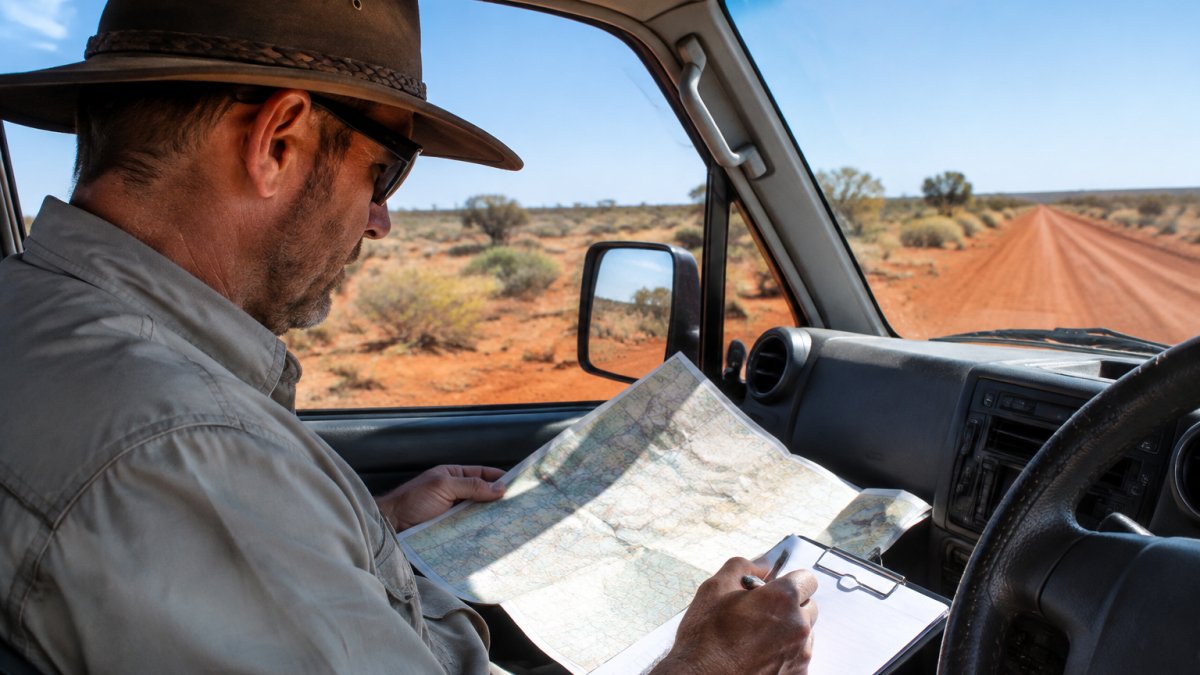
Field enquiries do the confirming. An agent attends the address, speaks to neighbours or the local post office, and reports back on whether the debtor lives there. In remote areas this is often the only reliable check.
We work on a "no result, no charge" basis with all our clients. We have recovered over 800 vehicles since we started in 2025, and rental car companies including Avis, Budget, Bargain Car Rentals, Red Spot, Sixt, Alamo and Enterprise use our services.
When you need the findings acted on, our debt recovery service covers the next stage: field enquiries, service and recovery.
Locating a debtor in a remote area rewards preparation and patience, not shortcuts. If a case has stalled or you need a trace you can rely on in court, Rapid Mercantile Services can take it from the first search to the field visit. Our team handles skip tracing, process service and vehicle recovery across remote and regional locations, with no result, no charge. Get started with Rapid Mercantile Services and turn a cold file into a confirmed address.
Frequently Asked Questions
What makes locating someone in a remote area more challenging?
Distance is the main constraint. A single field enquiry in a remote area can mean hours of travel each way, and there may be no recent utility or electoral record for the address. Limited local data, seasonal road closures and a small pool of neighbours who can confirm occupancy all slow the search. A skip tracing provider plans travel in advance and combines database checks with field enquiries so that one trip covers several verification points.
What information is useful when starting a skip trace?
Give the tracer everything you already hold: full name, date of birth, last known residential address, contact number, email, employer, vehicle registration and any previous addresses. Old addresses are valuable because they link to public records and to people who may still know the subject. For debt recovery, include the account history and any correspondence returned as unclaimed. The more personal identifiers you supply, the fewer paid database searches are needed to narrow the field.
How do professional skip tracers verify a person's current address?
Verification means confirming that the person actually lives at the address, not just that their name appears against it. A tracer cross-checks public records and online databases, then arranges field enquiries such as a visit or a neighbour check. For debt recovery, address verification should be documented before service of process or a field visit is attempted. Ask for the evidence behind a trace result, not just the address, so you can judge how confident the finding is.